
It is a scientific fact that the only creatures meant to eat all day are cows, sheep, and people who own caravans.
If you spend your afternoon slowly macerating a digestive biscuit while staring blankly out the window, you aren’t “enjoying retirement.” You are chewing the cud. You have become a great, fat, lumbering Hereford with a vacant stare, and frankly, it has to stop.
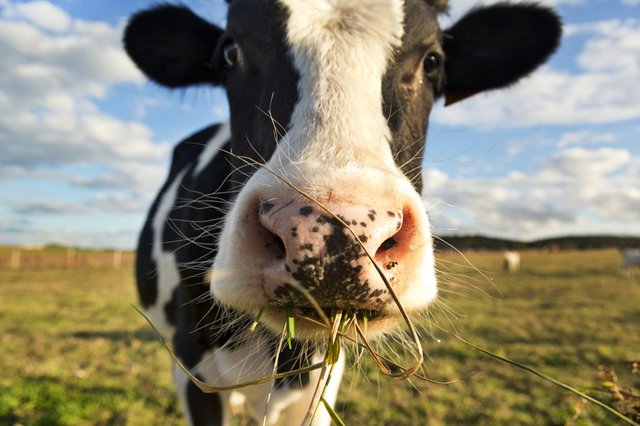
For years, my life was a series of activities punctuated by a side-car of “something tasty.” Reading a book? Needs a cracker. Writing a report? Needs a bowl of nuts. Doing nothing much? That deserves a sticky bun. But these small, mindless bites are doing to our bodies what low-grade fuel does to a precision-engineered V12. It gums up the works.
If you want to start fasting, don’t start by starving yourself for three days. Start by ending the habit of grazing.
Why Grazing is the Unseen Enemy
Our bodies, much like a complex piece of industrial machinery, require downtime for maintenance. If you never turn the engine off, the mechanics can’t get in to change the oil.
1. The Insulin Rollercoaster
Every time you pop a grape or a cube of cheese into your mouth, your body panics and floods your system with insulin. If you eat every two hours, your insulin levels stay as high as the taxes on a supercar. For those of us over 60, this leads to inflammation and a midsection that looks like a collapsed soufflé.
2. Sacking the “Cleaning Crew”
There is a process called autophagy. It’s a wonderful biological maintenance crew that goes around repairing damaged cells. But here’s the rub: they only clock in when you stop eating. Constant grazing is like keeping the factory floor running 24/7; the cleaning crew just stays in the pub.
3. Digestive Fatigue
Digestion uses a massive amount of energy. By grazing, you are essentially asking your stomach to run a marathon every single day without a break. The result? You feel bloated, sluggish, and about as aerodynamic as a brick.
The Art of “Invisible” Snacking
Grazing is insidious. It’s the “tasting” while you’re cooking dinner. It’s finishing the last two bites of your spouse’s shepherd’s pie because “it’s a shame to waste it.” It’s the milk and two sugars in your fifth coffee of the morning.
Before you know it, eating has become a reflex, like breathing or complaining about kids today. You find yourself standing in front of the fridge at 4:00 PM with no memory of how you got there, holding a piece of ham.
How to Stop Being a Cow: A 4-Step Guide
Step 1: Eating With Intent
Most of the time, we eat without actually noticing the food. If you can’t remember what your lunch tasted like five minutes after you’ve finished it, what was the point? If you aren’t paying attention, your brain won’t register that you’re full.
Step 2: The “Plate Only” Rule
You must only eat food served on a plate while sitting at a table. No “hand-to-mouth” raids on the pantry. This means everything goes on the plate—the main, the side, even the bread. Build your plate in the kitchen, then take it somewhere else to eat, away from the “remnants” that might tempt you into a second helping. If it isn’t on the plate, it doesn’t exist.
Step 3: The “Clean” Beverage Buffer
Between meals, you are allowed water, black coffee, or plain tea. That’s it. If your brain tells you that you’re hungry, it’s probably lying. It’s actually bored or thirsty. Give it a glass of water and tell it to shut up.
Step 4: Increase Your Meal Density (The Brie Lesson)
You graze because your main meals are too flimsy. You need high-quality protein and fiber. However, a word of caution for the over-60s: do not over-indulge on fats alone.
I once sat down to a lovely, extended meal of Brie, crackers, and apple slices. It was light, it was sophisticated, and because I was practicing OMAD, my 60-year-old system took one look at that fat-heavy load and staged a violent protest. Within twenty minutes, I was making a “controlled” mad dash for the smallest room in the house. A 60-year-old body is a different beast than a 50-year-old one; it demands balance, not just indulgence.
The Finish Line
Once you stop the snacking, you’ve done the hard part. You’ve finally proven that you are the master of your own metabolism and that you don’t actually need a constant stream of high-octane fuel to function.
But let’s be clear: this is not an overnight transformation. You are currently trying to drown out decades of “grazing” noise with a brand-new frequency. Your brain will scream for a biscuit simply because it’s 4:00 PM and that’s what it’s done since the mid-nineties.
You must give yourself 30 days to let these new habits—the plates, the intent, the black coffee—begin to take root. This isn’t like pouring a concrete slab that you can simply walk away from; it is a delicate, living thing that needs to be nurtured every single day. Even after a month, the habit can be easily broken if you stop paying attention, but it is a start. And in the world of metabolic health, a start is everything.
Retirement is supposed to be about freedom. It’s about having the energy to go out and do things, rather than being tethered to a biscuit tin like a goat to a post. Stop chewing the cud, put the crackers away, and give your body the 30 days it needs to remember how to be a finely tuned machine again.
After all, you aren’t a cow. So stop acting like one.